|
Growing a garden is a great adventure. Putting a seed in the prepared ground, watering it, and then waiting and checking up on it until -- POP -- it springs up through the ground. It's like a kind of magic really, how that tiny seed transforms into a seedling, and then grows and grows until it becomes a full-sized, mature plant. The kids who come to my garden delight in getting their vegetables fresh from the source -- pulling their own carrot out of the wet, sticky earth, washing it clean and then chomping down! They seem to feel like they are taking part in the magic, just by biting into this tasty vegetable that was a tiny seed just weeks before. But.. growing a garden is not only fun, it's educational. We can learn a lot in our garden -- how things grow, what parts of the plant our different foods are, what jobs the different insects have, what soil is made of and what it needs to do its job well, and how different food tastes when its fresh from a real organic garden where the soil is still rich and full of life. A garden is also a quiet place to learn about ourselves, and to feel our connection to living things. In a garden we can remember to feel with our skin (the warmth of sun, cool tickle of wind, and the moist warmth of soil), to smell with our nose, see with our eyes, to feel with our hearts, and to listen to all the soft sounds of nature -- the birds, bugs, wind, and so on. In a garden we can remember that food comes from the Earth, that we are part of the Earth, and that the Earth needs us to take care of her, so that we can both go on living.
Find a place where you can plant a garden --
even if all you can find is one large-sized pot. And see what you can
learn, spending time, with yourself, in your garden.
Here are some useful links and articles to
Earth's Kids
Gardening "How To"
5
Best Vegetables to Grow with Kids
Short, sweet, and very helpful article to get you started without a lot
of agonizing over what to plant! Plus some more great reasons to
garden with kids that will boost your resolve.
Here's a site that's chalk full of lots of fun do-it-yourself ideas for
kids just like you. Lots of ideas and instructions for things to
grow as well as things to make. Sponsored by
KidSpot
A great site for parents, teachers, and kids! Ideas for gardening with kids at home or at school, plant information, thematic activities, a Teacher's Resource room, a registry of School Gardens, and an online store where you can fun and interesting products for kid's gardening. Also features a Parent's Primer [great for teachers too] that outlines how to get kids started and how to keep them interested -- including what plants are best for younger kids.
Lots of useful information here, including their FAQs on garden safety and encouraging wildlife.
If you've never had your own garden before, or never grown one on a large scale, there are a lot of things to figure out that you may not have considered.
This collection of tips and articles covers all the basics that a
teacher or family needs to help kids get started with gardening.
Make Your Own Garden Composter! Here's a family project that kids can help out with. And everyone in the family can help save yard and kitchen scraps to feed the composter.
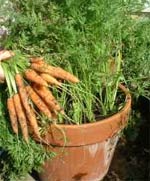
Learn how to grow carrots. And if you don't' have a garden plot, try them in a pot. Great for homes with small yards or a sunny balcony. Plus, any school or care facility could add this garden project to their outdoor classroom. The best part is, its both edible and decorative. For even more fun, kids can decorate the pots with acrylic paints.
How To Propagate Succulent Leaf Cuttings Succulents are a popular plant with kids because they come in so many interesting shapes and types and they don't mind when young gardeners forget to water them. Plus, their low water and soil needs means that they can be planted in all kinds of fun and interesting containers. However... buying succulents at the garden store for your whole class, or whole yard, can get expensive. So click through on this link to learn how to propagate your own. From one, many!
Learn how to grow your own butterfly garden! Includes ideas for just which plants to grow, and other useful tips.
Lists which plants appeal most to which butterflies! Includes pictures and fun facts.
Plant and
Gardening
Lesson Plans and Activities
The 1/100th Acre Farm
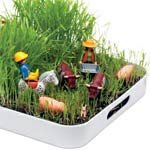
Children choose their seeds, plant them in the dirt of a shallow
container, and then add small rocks and other natural items for landscaping.
Let them pull from a collection of small toy figures to populate their tiny worlds.
Want a quick garden? Pick up a sheet of grass sod from
your local garden center. Instant grass!
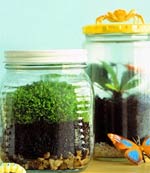
Who doesn't love the magic of creating their own miniature
world? Here's a classic gardening project that needs very
little space and can re-purpose that old pickle jar or the big
plastic container you didn't want to toss out.
Lots of folks don't have room for a full size garden, or even small a
raised bed planting box. But does that mean they can't garden?
No way!
Students will examine the effect that light and air has on green plants. We all know that flowers are for smelling and only fruits and vegetables are for eating, right? Wrong! While it's true that many flowers would be bad for you ― nasty tasting or downright poisonous ― there are others that are actually just fine for eating such as the apple blossom, the rose, the violet, and the nasturtium. Click here for more. But of course do check the list to see what is edible, and of course kids must know to never gobble down something new without checking first with their parents or teacher. Remember, it can be easy to confuse one type of flower with another, so have an expert help you identify your find before you sample it. Get familiar too with this list of common poisonous plants.
The Great Plant Escape Activities Plant science writing and thinking activities for 4th and 5th graders. A great way to help teachers structure their plant science investigations. Includes vocabulary
Not all plants reproduce in the same ways. The spider plant produces willowy stalks that sprout blossoms and then turn into tiny baby spider plants. These grow larger until they are read to put down roots of their own. For this activity you'll need to plan ahead by purchasing, or growing, a spider plant with lots of "babies" ready for harvesting and transplanting -- enough for each child, or team of children. (Grades K-4) From Teacher Vision.
Instructions for making your own magical garden hideaway. And better still, it produces a tasty veggie. From Kiddie Gardens. Be sure to check out their great learning activity ideas for the garden.
Growing potatoes in a garden can take a lot of space, but using a barrel allows you to grow quite a lot of potatoes in a much smaller space. Click the link for instructions.
This lesson has students using observation and experimentation to think about the different ways plants get spread from their parent plant to a new location. Magnifying glass or microscope recommended. From Scholastic. How To Get Kids Excited About Gardening Parents and teacher may see the value of learning about gardening... but students may already be smitten with Nintendo and laying about. Read these ideas for motivating kids to participate. Students will look inside seeds to discover the beginning of a plant, and will discuss elements that plants need to grow.
Make Three-Dimensional Plant and Animal Cell Models
Pair the Plants: An Introduction to Scientific Names Can your students match common plant names with their scientific names? Pair the Plant Names! work sheet included. (Grades 3-12) From Education World.
A terrarium is a closable glass or plastic planting container. Terrariums are especially good for small plants that like a moist environment. A fun terrarium project is to create a miniature scene complete with plants, rocks, and other objects. Check out the article for instructions and recommended plants.
Here's a great lesson plan/activity to help kids learn about the different parts of vegetables through an edible feast of roots, leaves, stems, flowers, and etc. Includes a planting activity.
Spring Is Sprung: Water Movement in Plants This is the classic experiment with celery and food coloring! Very easy to do and fun for preschoolers and school age kids alike. From Scholastic.
Online Games and Stories
Fun & Useful Links
This is a fun site for kids to surf to information about farm animals, crops for food, science project ideas, and lots of fun games and activities. Teens can check out the Teen Zone . AITC stands for Agriculture In The Classroom
If roses are your flower of choice, this is THE website for rose growing information. Here you will find : All American Rose Selection Winners, article of the month from American Rose Magazine, arranging roses, Color & Symbolism of Roses, Cooking with Roses, health and safety in the garden, tips on growing, fertilizing, and rose diseases, how to find roses on the web, and much more.
Burpee Seeds -- Online Catalog Burpee seeds have been starting gardens for 120 years! Visit their website to order bulbs, seeds, and other products online -- or ask to have a free catalog mailed to you. While you're there, check out their recipes and take a "3-D" tour of their "test" garden.
Surf this site to learn how to help honey bees, get gardening ideas, and check out kids' gardening videos from this U.K. kids' show.
Here's a place to look up those unfamiliar gardening terms that you may find on the back of a seed or bulb package.
The 4-H Children's Garden is a special garden where plants and children
and imaginations grow. It is so big, containing about 60 different
individual theme gardens! Take a virtual tour to see it and get
ideas for what to grow in your own garden. Did
you know that the four "H"s stand for "Head, Heart, Hands and Health"? Don't miss
their ideas for fun
activity
ideas you can do with your garden or with plants you've collected
from other sources.
Agriculture and farm related pages that are multimedia and interactive.
Includes printables and coloring pages. Earth's Kids Environmental Science Page Here's a great place to learn about food webs, find links to great websites about saving the environment and various endangered animals, and to find exciting toys and equipment for the young naturalist. While you're there, check out our book offerings on related topics.
National Gardening Association
This site is packed with useful articles and
FAQ's about various plants and plant growing problems. Nice seasonal
focus highlighting the plants and activities you
Whether you're planning a garden, have a toddler about to venture out in your yard, or have just moved into a new home with unfamiliar plants, you'll want to review this list of plants toxic to humans (includes pictures). Be advised some are safe to have in your yard as long as you can supervise your child adequately or fence off the plant.
This site contains radiographs of flowers. The radiographs look like x-rays taken of the flowers.
Birds are wonderful in the garden, but not just to look at and listen to. Find out which birds can actually help your garden ― and how you can help them.
Use the inner scroll bar to view more books and activities.
back to
|
|
||||||||||||||||



 help you get started....


 How to Grow Your Own Food!
 Grow Carrots In A Pot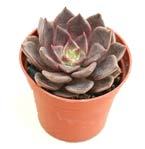


 should
be thinking about at this time of year. Also features a "seed swap",
information on useful products, a plant name finder, regional
reports, message boards, and a garden dictionary!
should
be thinking about at this time of year. Also features a "seed swap",
information on useful products, a plant name finder, regional
reports, message boards, and a garden dictionary! 




|
Check out our great
Earth's
Kids
Kids
Can Change the World
action pages and Valentine's Day, Easter and Saint Patrick's Day pages for science and craft activities, reading and more!
Every
day is
EARTH
DAY!
Check
out our great fun
activities, art, & learning Wondering about the weather? Don't miss the Earth's Kids special feature on Climate Change & Global Warming!
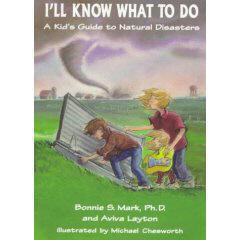
Learn how to keep your
children safe in the event of a natural disaster. Tips to Teach Kids How to Wash Hands!
|
Copyright Earth's Kids 1999. All rights reserved.